
Learning Together: Mixed Age Groups

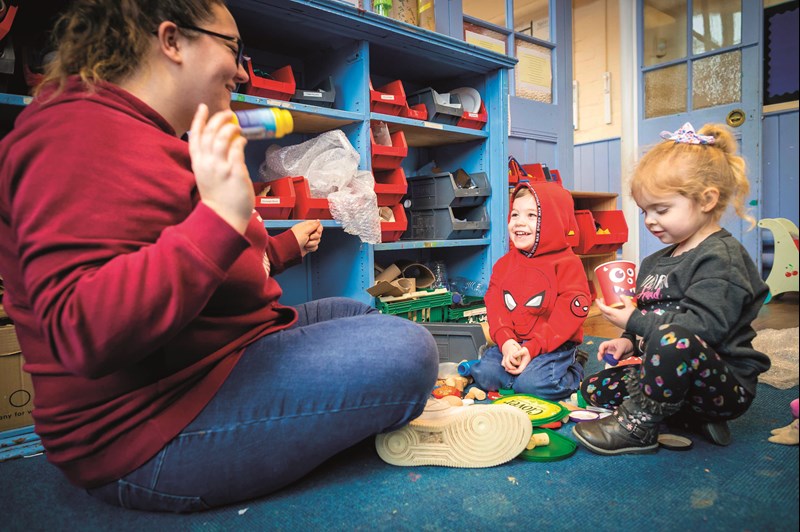

At Our Monkey Club, we believe in the power of vertical grouping, where children of different ages learn and play together in the same space. With children ranging from 24 months to 12 years old in the same environment (and even our babies spending time with older children with appropriate support), we see the profound benefits this mixed-age approach has on children’s social, emotional, and cognitive development.
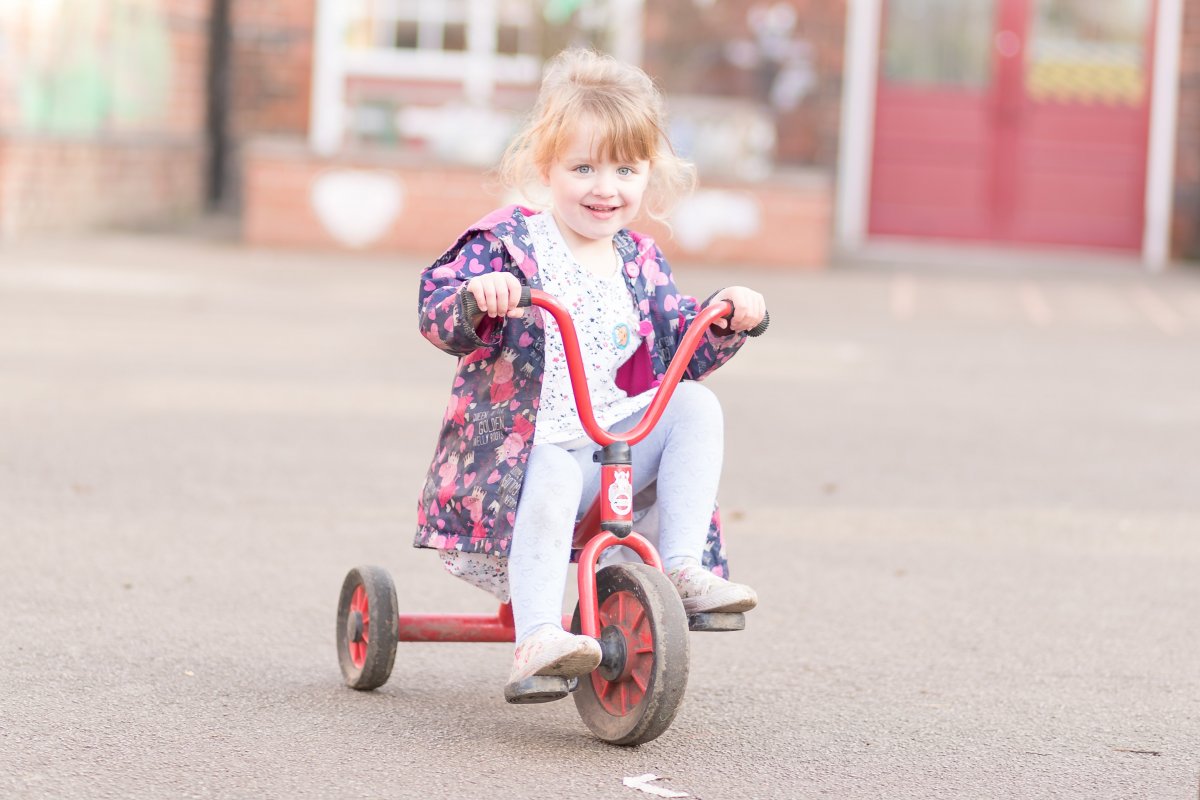
Social Modelling and Learning New Skills
One of the most significant advantages of vertical grouping is the social modelling that occurs when children are exposed to peers who are slightly older or more skilled. Younger children naturally look to their older peers to guide their behaviour, learning new skills by observing and imitating them. This learning style is often more effective than learning directly from adults.
More Accessible Role Models: When a child sees another child just slightly older completing a task—whether it’s navigating an obstacle course, using paint, or mastering a new game—the skills and methods of their peer are often closer to what they themselves can achieve. Unlike adult role models, whose capabilities may feel unattainable, older peers provide a realistic, achievable model for success.
Motivation and Interest: Younger children are naturally curious about the capabilities of their slightly older peers. This curiosity drives them to try new activities and engage in more challenging tasks. For example, a three-year-old might become fascinated with learning how to do forward rolls after watching older children practice it in the space.

Developing Empathy and Compassion in Older Children
Vertical grouping doesn’t just benefit younger children—it plays a crucial role in helping older children develop empathy, compassion, and social responsibility. When older children interact with younger peers, they often step into a mentorship role, guiding and helping the younger children as they navigate new experiences.
Compassionate Understanding: Older children learn to recognize the different capacities and developmental stages of their younger peers. By helping younger children with tasks such as sharing toys or participating in group activities, they gain a better understanding of other people's needs.
Pride in Helping Others: Older children often feel a sense of pride when they help a younger peer successfully complete a task. This process reinforces the value of kindness and cooperation, making them feel more connected to their community.
Empathy: Understanding how younger children learn at different paces helps older children develop empathy. They learn to be patient and supportive, recognizing that everyone progresses at their own rate, which is a valuable life skill.

Normalizing Diverse Developmental Stages
One of the most profound benefits of vertical grouping is how it normalizes diverse developmental stages. Children with atypical development—whether they are learning at a slower pace or require specific accommodations—thrive in this environment because they are not isolated or singled out.
No Developmental Norms: In a mixed-age group, there are no strict developmental expectations. This means that a child who is still working on personal care skills or social interactions is not judged as being “behind” because every child is at a different stage of learning. This reduces stress, avoids feelings of shame, and allows children to progress at their own pace.
Customized Learning Tools: For example, a child who is not yet able to drink from a cup can use a beaker with a straw without feeling different from their peers. Since all the children in the space are at various developmental levels, these differences are normalized, and there is no stigma attached to using alternative tools.
Natural Developmental Progress: Children are naturally inspired by watching their peers. One great example is a three-year-old child who became interested in learning how to do forward rolls simply by observing her slightly older friends practice. This natural, peer-led motivation accelerates learning in a way that feels organic and enjoyable.
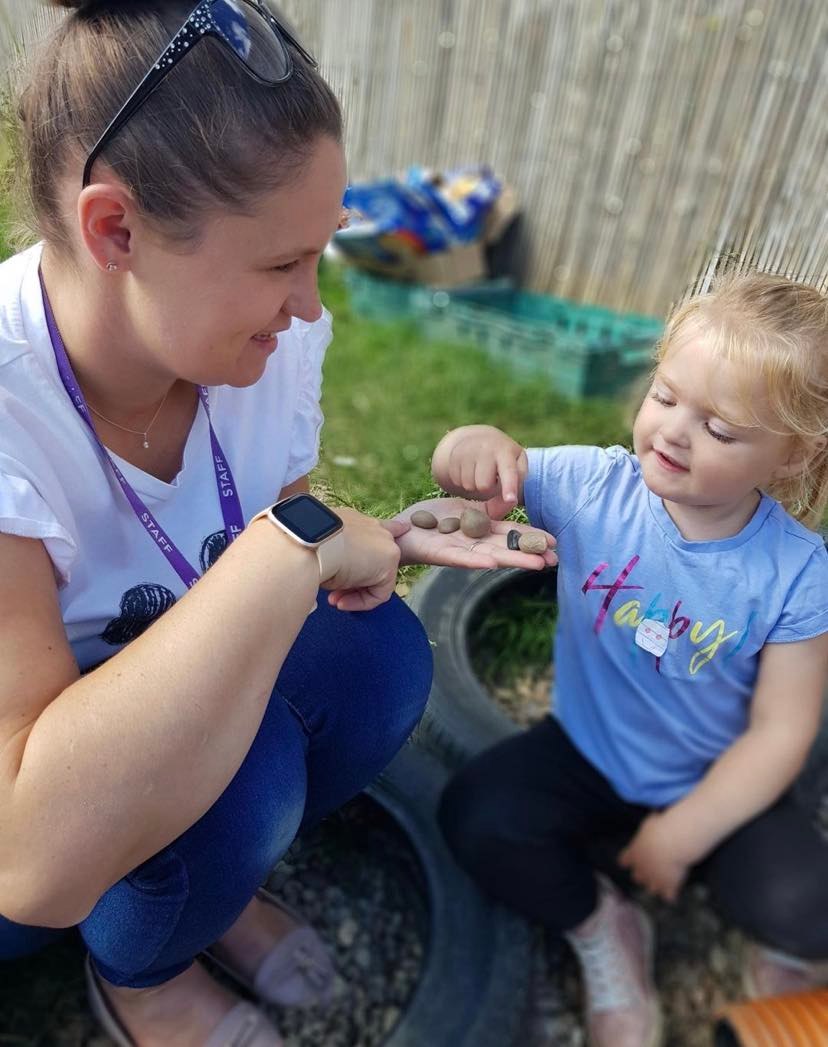

Vertical Grouping: Fostering a Community of Learners
Vertical grouping promotes a community atmosphere where children of all ages support one another, learn from each other, and develop essential life skills such as empathy, compassion, and resilience. By embracing the diverse developmental stages of each child, we create a learning environment that is inclusive, motivating, and deeply supportive of each child’s unique growth.
If you would like to learn more about our approach and how vertical grouping supports your child’s development, feel free to contact us today.